 X
X
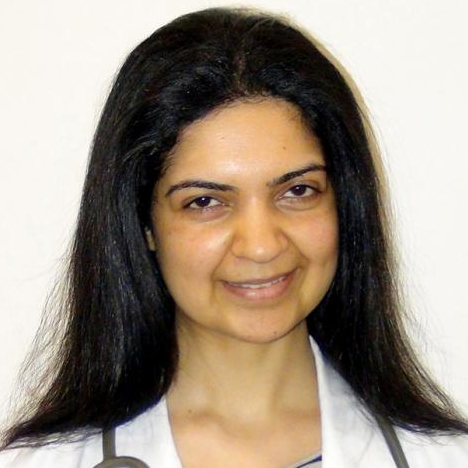
DR GEETI MAHAJAN
Diabetologist/Endocrinologist
- Fees: INR 750
-
Friday 9:30 AM - 5:00 PM
(See all timing)Monday 9:30 AM - 5:00 PM,
Tuesday 9:30 AM - 5:00 PM,
Wednesday 9:30 AM - 5:00 PM,
Thursday 9:30 AM - 5:00 PM,
Friday 9:30 AM - 5:00 PM,
Saturday 11:00 AM - 2:00 PM
Introduction
Dr Geeti Mahajan is one of the best Endocrinologists in Gurgaon with the experience of almost 5 years in this field. American Board Certified in Internal Medicine, Endocrinology, Diabetes and Metabolism with exposure to a wide variety of complex endocrine problems.?-Trained in the management of Diabetes at State University of New York, Downstate Medical Center. (This division of Endocrinology is recognized worldwide for its nobel prize winning researcher Robert Furchgott). It is also known internationally for first describing a unique form of diabetes- known as FLATBUSH DIABETES). Having completed her internship at Safdarjung hospital in Delhi, she started her Residency in Internal Medicine at UIC, Chicago and then went on to pursue her Fellowship at SUNY, New York, where she was designated as the chief fellow. Then she was appointed as a full time attending Physician in Department of Endocrinology at Franciscan healthcare, Midwestern University, where she was involved in residents teaching as well.
Hospital Associations
Fortis Memorial Research Institute, Gurgaon
Experience
Consultant Endocrinologist-Fortis C- DOC (Center for Diabetes, obesity and cholesterol), FMRI. (2013 - current). Attending Endocrinologist/Faculty-St. Franciscan Healthcare/Midwestern University, Chicago, IL (2012 - 2013). Dr Geeti Mahajan has vast experience in the use of Insulin pumps, continuous glucose sensor devices and other latest treatment modalities, with special interest in gestational diabetes and management of diabetes in transplant patients.?She also has significant experience in thyroid cancer management including experience in Ultrasound guided FNAC. Dr Geeti Mahajan has experience in Management of Pituitary and Adrenal tumors (secretory and non-functioning) - Management of various Thyroid disorders?-Evaluation and treatment of Osteoporosis, parathyroid disorders, Pagets disease and reproductive Endocrinology, PCOS.
Professional Memberships
American Association of Clinical Endocrinologists (AACE)
Education
MBBS, M.D., Fellowship in Endocrinology, Diabetes and Metabolism (American Board of Internal Medicine)
I Speak
English and Hindi
Feedback For Dr Geeti Mahajan
Write FeedbackFortis Memorial Research Institute Gurgaon Timing
Monday - Friday
9:30 AM - 5:00 PM
Saturday
11:00 AM - 2:00 PM
Who are diabetologists?
Diabetologists are the specialists in managing the sugar level in the patient's blood. They can guide the patients to control the spike of blood glucose level. They are often a board-certified endocrinologist specialized in metabolic disorders. These physicians work with patients to bring blood sugar under control through medication, diet, and, exercise.
What do diabetologists do?
The most important part of diabetologist's work is to show patients how to manage diabetes in the best possible way. The diabetologist mainly uses blood tests in order to detect and monitor changes in the blood glucose levels of the patient's body. In the case of gestational diabetes and type 1 diabetes, they use insulin therapy and suggest a change of lifestyle including moderate physical activity and regular well-balanced diet.
What disease does a diabetologist?
Diabetologists treat all forms of diabetes, including diabetes mellitus, insulin-dependent diabetes, diabetes insipidus, and gestational diabetes.
When to see a diabetologist?
- Your regular doctor can treat diabetes, but they might want to see an when:
- You feel tingling in your hands and feet from nerve damage.
- You have frequent episodes of low or high blood sugar levels and weight changes and vision problems and kidney problems.
- Frequent hospital admissions because of diabetes.
- You need to learn how to manage diabetes.
- Your diabetes has gotten troublesome to manage, or your treatment isn't working.
- You have complications from diabetes.
What's the difference between Diabetologists and endocrinologists?
Diabetologists treat only diabetic patients while endocrinologists give treatment for the patients having endocrinology problems which also include complications from diabetes. To become Endocrinologists you need to have a D.M degree in Endocrinology, but a Diabetologist needs an M.D degree in General Medicine. Endocrinologists go to college for 4 years, then medical school for 4 more years. Afterward, endocrinologists work in hospitals and clinics as residents for 3 years to get experience treating people. endocrinologists will spend another 2 or 3 years training specifically in endocrinology.
What are the tests performed by a diabetologist?
- Fasting blood sugar is a test that provides vital clues about how the body is managing blood sugar levels.
- Glycated hemoglobin (A1C) test. This test check for Glycated hemoglobin which is a form of hemoglobin that is covalently bound to glucose.
- Oral glucose tolerance test is a test in which glucose is given and blood samples are taken afterward to discover how quickly it is cleared from the blood.
- Random blood sugar is a test that checks your blood glucose at a random time of day.
- The two-hour postprandial test measures blood glucose exactly 2 hours after eating a meal.
What to expect from your first diabetologist's visit?
A visit to the diabetologist usually involves:
- A complete medical history
- A head-to-toe exam
- Blood and urine tests
- An explanation of your management plan
The appointment usually starts with a measurement of the patient's height, weight, and vital signs, including blood pressure and pulse. They also check the blood sugar using a finger stick.
The doctor also checks the teeth and skin for developing sores and skin infections. The patients should be prepared for questions about their current symptoms, family history, and eating habits and it’s important to bring a record of the blood sugar readings. The doctor will also want to know what the patient is currently doing for his diabetes, including any medications he is taking, how often he checks his blood sugar, and if he uses insulin or not.